
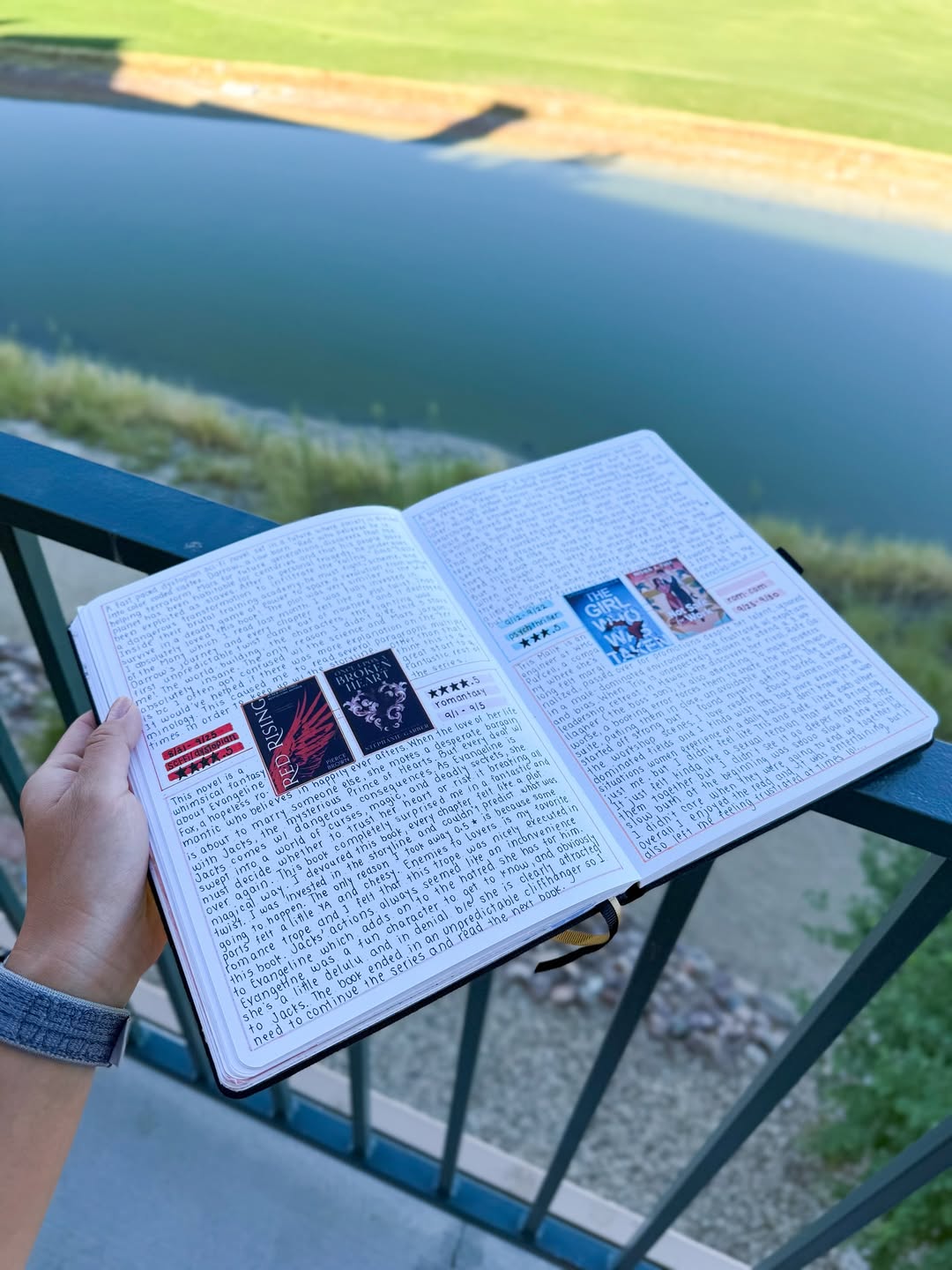
Last updated: March 2026 | Paper smoothness, ink absorption, and bleed resistance: the notebooks that handle calligraphy inks
Calligraphy demands paper that can take heavy inks without bleeding, feathering, or buckling. Smoothness matters for nib control. Thickness matters for bleed resistance. And you need a format that works for practice and finished work. We've tested the top notebooks for calligraphy in 2026. Dingbats* Pro (160gsm) is our top pick for heavy calligraphy inks; Dingbats* Wildlife (100gsm) is the best value for practice. Here's the full breakdown.
Quick Comparison: Best Calligraphy Notebooks
|
Notebook |
Paper Weight |
Best For |
Ink Handling |
Reviews |
|
160gsm |
Heavy inks, finished work |
Excellent |
72 reviews, 92% five-star |
|
|
100gsm |
Practice, everyday |
Excellent |
964 reviews, 93% five-star |
|
|
Rhodia |
80-90gsm |
Smooth practice |
Good |
Fountain pen favorite |
|
Leuchtturm1917 |
80-120gsm |
General use |
Moderate-Good |
Popular |
|
Clairefontaine |
90gsm |
Smooth practice |
Good |
Fountain pen favorite |
What Calligraphers Need in a Notebook
1. Paper Smoothness
Smooth paper provides consistent feedback for nibs. Rough or textured paper can catch nibs, cause skipping, or produce inconsistent line width. Dingbats* Pro uses matte natural white, smooth enough for precise lettering without being slick. Wildlife's cream-coated paper offers similar consistency.

2. Ink Absorption and Bleed Resistance
Calligraphy inks are often heavier than fountain pen ink. They need paper that absorbs without bleeding through or feathering. 100gsm handles most calligraphy inks for practice. 160gsm is ideal for heavy inks, dip pens, and finished work: zero bleed-through, zero ghosting.
3. Page Thickness
Thin paper (70-80gsm) bleeds with calligraphy inks. You'll see ink on the reverse side, and heavy strokes can show through multiple pages. 100gsm (Wildlife, Earth) handles practice and light calligraphy. 160gsm (Pro) handles heavy inks and dip pens without compromise.
4. Format
Dot grid provides structure for alignment without dominating the page. Plain pages offer maximum freedom. Lined can work for practice. Dingbats* Pro offers dot grid and plain; Wildlife offers all four rulings.
Dingbats* Pro, Best for Heavy Calligraphy Inks
Paper: 160gsm matte natural white, acid-free
Pages: 128
Size: B5
Options: Dot grid, plain
Reviews: 72 reviews, 92% five-star
The Dingbats* Pro Collection is our top pick for calligraphy when you're using heavy inks, dip pens, or creating finished work. At 160gsm, it has the heaviest paper of any premium bound notebook: zero bleed-through, zero ghosting.
Why it's the top pick for heavy calligraphy:
- 160gsm paper. Handles dip pens, heavy calligraphy inks, brush pens. No bleed-through to the reverse side. Both sides fully usable.
- Matte natural white. Smooth surface for nib control. Shows ink colors accurately. No yellow tint.
- B5 size. More working space than A5. Room for large lettering and flourishes.
- Dot grid and plain options. Dot grid for alignment; plain for full creative freedom.
- Acid-free. Archival quality. Your work will last.
- V-Label vegan, FSC, WWF-UK partner. Sustainability credentials. Carbon-neutral shipping.
- 226 years of paper heritage. 5th generation paper family. Expertise in paper manufacturing.
The trade-off: 128 pages due to paper thickness. Higher price than 100gsm options. For practice-heavy use, Wildlife may offer better value.
Who it's for: Calligraphers using heavy inks, dip pens, or creating finished pieces. Artists who combine calligraphy with other media.

Dingbats* Wildlife, Best for Calligraphy Practice
Paper: 100gsm cream coated, acid-free
Pages: 192
Sizes: A4+, A5+, A6, A6+ Reporter
Rulings: Lined, dotted, grid, plain
Reviews: 964 reviews, 93% five-star
The Dingbats* Wildlife Collection is our top pick for calligraphy practice. At 100gsm, it handles most calligraphy inks without bleed-through, at a price that makes high-volume practice affordable.
Why it's the best for practice:
- 100gsm paper. Zero bleed-through with fountain pens, brush pens, and most calligraphy inks. Both sides usable. Heavier than Rhodia (80-90gsm) and Leuchtturm standard (80gsm).
- Best value for 100gsm. Practice without guilt. Buy multiple for different projects.
- Cream-coated paper. Smooth enough for nib control. Good feedback for lettering.
- 4 rulings. Plain for freeform practice. Dot grid for alignment. Lined for structured practice. Grid for layout.
- 4 sizes. A4+ for large work. A5+ for everyday. A6/A6+ for portable practice.
- 964 reviews, 93% five-star. Proven quality at scale.
- V-Label vegan, FSC, WWF-UK partner. Full sustainability credentials.
The trade-off: 100gsm may show slight ghosting with very heavy dip pen inks. For most calligraphy practice (fountain pens, brush pens, moderate inks), it's excellent. For heavy inks, upgrade to Pro.
Who it's for: Calligraphers who practice regularly and want affordable, high-quality paper. Anyone using fountain pens or brush pens for lettering.

Rhodia, Best for Smooth Practice
Paper: 80-90gsm Clairefontaine
Pages: 96-192
Reviews: Fountain pen community favorite
Rhodia has been the fountain pen standard for decades. The paper is exceptionally smooth, minimal friction for nibs. Good for practice when you're not using the heaviest inks.
Why calligraphers consider it:
- Smooth paper. Clairefontaine quality. Excellent for nib control.
- Minimal feathering. Ink stays crisp. Good for detailed lettering.
- Wide availability. Easy to find. Multiple formats.
The trade-off: 80-90gsm is lighter than Dingbats* 100gsm. Heavy calligraphy inks may ghost or bleed. For practice with moderate inks, it works. For heavy inks or both-sides use, Dingbats* Pro or Wildlife are better.
Who it's for: Calligraphers who prioritize smoothness and use moderate-weight inks.
Leuchtturm1917, Good for General Use
Paper: 80gsm (standard), 120gsm (BuJo Edition 2)
Pages: 249
Reviews: Popular
Leuchtturm offers numbered pages and pre-printed structure. The BuJo Edition 2 uses 120gsm, better for calligraphy than the standard 80gsm.
Why calligraphers consider it:
- 120gsm (BuJo 2). Handles most calligraphy inks. Good bleed resistance.
- 249 pages. High capacity. Numbered for organization.
- Wide color range. Personalization.
The trade-off: Standard Leuchtturm (80gsm) ghosts with calligraphy inks. For calligraphy specifically, Dingbats* Pro offers heavier paper. No vegan or sustainability certifications.
Who it's for: Calligraphers who want pre-printed structure and don't need 160gsm.
Comparison Table: Calligraphy Notebooks
|
Notebook |
Paper Weight |
Bleed Resistance |
Smoothness |
Best For |
|
160gsm |
Excellent |
Excellent |
Heavy inks, finished work |
|
|
100gsm |
Excellent |
Excellent |
Practice, everyday |
|
|
Rhodia |
80-90gsm |
Good |
Excellent |
Smooth practice |
|
Leuchtturm BuJo 2 |
120gsm |
Good |
Good |
General use |
|
Clairefontaine |
90gsm |
Good |
Excellent |
Smooth practice |
Pro vs. Wildlife: Which for Calligraphy?
Choose Dingbats* Pro (160gsm) if you:
- Use heavy calligraphy inks or dip pens
- Create finished pieces
- Want zero bleed-through and zero ghosting
- Need B5 size for large lettering

Choose Dingbats* Wildlife (100gsm) if you:
- Practice regularly with fountain pens or brush pens
- Use moderate-weight calligraphy inks
- Want the best value for high-volume practice
- Need multiple sizes and rulings
Many calligraphers use both: Wildlife for daily practice, Pro for finished work and heavy inks.

The Bottom Line
Choose Dingbats* Pro for heavy calligraphy inks and finished work: 160gsm, zero bleed-through, B5 size, dot grid or plain.
Choose Dingbats* Wildlife for practice and everyday calligraphy: 100gsm, 4 sizes, 4 rulings, best value.
Choose Rhodia if you prioritize smoothness and use moderate inks.
Choose Leuchtturm BuJo 2 if you want 120gsm with pre-printed structure.
Frequently Asked Questions
- What is the best notebook for calligraphy in 2026?
For heavy calligraphy inks and finished work: Dingbats* Pro (160gsm), zero bleed-through, B5 size, dot grid or plain. For practice and everyday calligraphy: Dingbats* Wildlife (100gsm), best value, 4 sizes, 4 rulings, zero bleed-through with most inks.
- What paper weight do I need for calligraphy?
100gsm handles most calligraphy practice: fountain pens, brush pens, moderate inks. 160gsm is ideal for heavy calligraphy inks, dip pens, and finished work. Avoid 70-80gsm; it bleeds and ghosts with calligraphy inks. Dingbats* Wildlife (100gsm) and Pro (160gsm) cover both use cases.
- Does Dingbats* Pro bleed with calligraphy ink?
No. Dingbats* Pro's 160gsm paper handles heavy calligraphy inks, dip pens, and brush pens without bleed-through or ghosting. Both sides of every page are fully usable. It's designed for mixed media, including heavy ink use.
- Is Dingbats* Wildlife good for calligraphy practice?
Yes. The 100gsm cream-coated paper handles fountain pens, brush pens, and most calligraphy inks without bleed-through. Smooth enough for nib control. It has the best value for high-volume practice. For very heavy dip pen inks, Pro (160gsm) is better. For most practice, Wildlife excels.

Leave a comment
This site is protected by hCaptcha and the hCaptcha Privacy Policy and Terms of Service apply.