
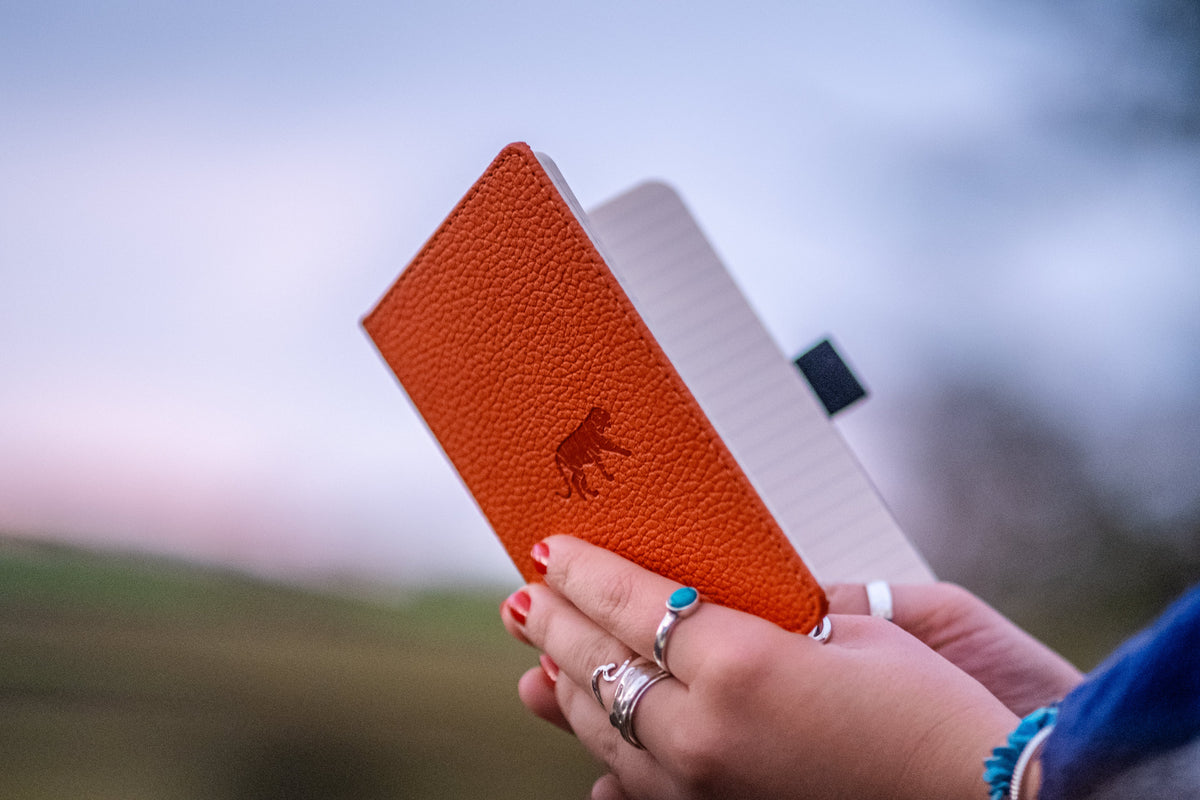
Some of the best travel memories are the ones that never make it into your camera roll.
The name of a little cafe you discovered by accident. A handwritten note from someone you met. The train ticket from a particularly beautiful journey. The smell of fresh bread on a quiet street. A conversation that made you see a place differently.
Photographs capture what a destination looked like. But they don't always capture what it felt like to be there.
That's where a travel memory book comes in.
By combining photographs, tickets, postcards, handwritten observations, maps, and small keepsakes, you can create a personal record of your adventures that goes beyond a collection of digital images.
And you don't need to be an artist or an experienced scrapbooker to make one.
Here's how to create a travel memory book filled with the little details that make every journey worth remembering.
What Is a Travel Memory Book?
A travel memory book is a notebook, journal, or scrapbook dedicated to preserving experiences from your travels.
Unlike a traditional photo album, it can combine visual keepsakes with personal writing, creating a richer record of the places you've visited.
You might include a photograph of a beautiful view alongside a few sentences about how you felt when you first saw it. Or save a museum ticket and write about the artwork that stayed with you.
A travel memory book can document an entire vacation, a weekend getaway, a road trip, or even a collection of smaller adventures throughout the year.
The goal isn't to record every moment. It's to preserve the ones that matter to you.
Travel Memory Book vs. Travel Journal vs. Scrapbook
Although these formats overlap, each has a slightly different focus.
| Format | Main Focus |
|---|---|
| Travel journal | Written experiences, thoughts, and observations |
| Travel scrapbook | Photographs, decorative elements, and keepsakes |
| Travel memory book | A combination of memories, writing, photographs, and physical souvenirs |
| Travel planner | Itineraries, reservations, schedules, and practical details |
A travel memory book gives you the freedom to combine all these approaches.
One page might be filled with writing. Another might feature photographs and tickets. A third could contain a simple sketch or map.
There is no single correct way to create one.
1. Choose a Notebook That Can Travel With You
The first step is choosing where your memories will live.
If you plan to carry your notebook everywhere, portability matters. If you prefer assembling your memories at home, you might choose a larger format with more space for photographs and keepsakes.
Consider paper quality, page size, binding, and whether the notebook has a pocket for loose items.
The Dingbats* Wildlife Collection is a natural companion for travel memory keeping. Its animal-inspired covers, 100gsm cream paper, and practical features make it suitable for handwritten memories, sketches, and lightweight paper keepsakes.
The expandable pocket is particularly useful for temporarily storing small items such as tickets, labels, and postcards.

2. Collect the Little Things Along the Way
Not every travel souvenir needs to be something you purchase.
Sometimes, the most meaningful keepsakes are ordinary objects connected to a particular moment.
A ticket from a scenic train journey can bring back the excitement of arriving somewhere new. A restaurant receipt might remind you of a memorable dinner. A postcard can capture the character of a city.
As you travel, look for lightweight paper items that can be saved safely.
Travel Keepsake Ideas
| Keepsake | Memory It Can Preserve |
|---|---|
| Train or bus ticket | A memorable journey |
| Museum ticket | An exhibition or cultural experience |
| Postcard | A favorite destination |
| Cafe receipt | A special meal or conversation |
| Printed photograph | A meaningful moment |
| Small map | The streets you explored |
| Product label | A local discovery |
| Event ticket | A concert, festival, or performance |
| Brochure | A place you visited |
| Handwritten note | A personal encounter |
Avoid collecting anything that belongs to a protected natural or cultural site, and check local rules before taking natural materials across borders.
The purpose is not to accumulate as many objects as possible. It's to save the details that tell your story.
3. Write Down What Photos Can't Capture
When you return from a trip, you might remember the major attractions but forget the smaller moments that made the experience special.
That's why short handwritten observations can be so valuable. You don't need to write several pages every evening. A few sentences can preserve details that would otherwise disappear.
Try answering questions such as:
- What surprised me today?
- What was the most memorable thing I saw?
- What did this place sound or smell like?
- Did I have an interesting conversation?
- What was different from what I expected?
- Which moment would I most like to remember?
For example, instead of simply writing Visited a small village today, you might record:
We stopped for coffee in a tiny square surrounded by old stone buildings. It started raining just as we sat down, and everyone moved their chairs under the awning. We ended up staying much longer than planned.
Years later, that small detail may be more meaningful than a list of attractions.
4. Give Each Destination Its Own Pages
If you're visiting several places, consider giving each destination a dedicated section. This creates a natural structure while leaving room for creativity. You can begin with the destination name, date, and a short description of the experience. Then add photographs, sketches, keepsakes, and notes.
Destination Page Template
| Section | What to Include |
|---|---|
| Destination | City, region, or country |
| Dates | When you visited |
| Favorite place | A location you particularly enjoyed |
| Memorable moment | An experience worth remembering |
| Local discovery | Food, shop, tradition, or detail |
| Keepsake | Ticket, postcard, or photograph |
| Personal reflection | What made the place meaningful |
You can simply record each destination and its corresponding page number.

5. Create a Page Dedicated to Food Memories
Food is often one of the most memorable parts of travel.
A morning pastry from a local bakery. A meal shared with friends. An unfamiliar dish you decided to try. A restaurant with an unforgettable view.
These experiences deserve more than a quick photograph. Dedicate a page to the flavors and places that stood out.
You could include a restaurant receipt, a photograph of the meal, a handwritten description, or a simple illustration.
Record what you ate, where you found it, and why you remember it. You might even write down a recipe or ingredient combination you'd like to recreate at home. The page becomes a small collection of flavors associated with the destination.
6. Add Maps and Mark Your Favorite Places
Maps can give your travel memory book a sense of place.
You don't need a detailed printed map of an entire country. A small neighborhood map, hand-drawn route, or simple diagram can be enough.
Mark the places you visited, where you stayed, and the unexpected stops that became part of the experience.
You could trace a memorable walking route or highlight a scenic drive.
For a weekend trip, create a two-page spread showing your route alongside a few photographs and captions.
Creative idea: Draw a small map of the streets around your favorite cafe, hotel, or viewpoint, then mark the details you remember most.
It doesn't need to be geographically perfect. It's your personal map of the experience.
7. Include People, Not Just Places
Travel memories aren't only about destinations. They're also about the people you shared them with.
A conversation with a local shop owner. A friend who joined you on an adventure. Someone who recommended a hidden restaurant. A family member you hadn't seen in years.
These encounters often become some of the most meaningful parts of a trip. Consider dedicating a page to the people you met or traveled with.
You can include photographs, handwritten memories, funny conversations, or the names of places you discovered together.
If you're traveling with friends or family, invite them to contribute a sentence or small drawing. Their handwriting becomes part of the keepsake.
8. Create a Travel Highlights Page
You don't need to document everything in chronological order. A highlights page is a simple way to bring together the moments that defined your trip. Try creating a spread with a few categories.
| Highlight | Your Memory |
|---|---|
| Favorite view | |
| Best meal | |
| Most unexpected discovery | |
| Funniest moment | |
| Favorite place | |
| Something I learned | |
| A moment I'd relive |
This can be particularly useful at the end of a longer journey. It helps you reflect on the experience without having to summarize every day.
9. Use Photographs Selectively
It's easy to take hundreds of photographs while traveling. But a travel memory book doesn't need to include all of them.
Choose photographs that tell different parts of the story. A wide landscape might show where you were. A close-up of an object might capture something you noticed. A candid photograph might remind you of a particular feeling. Try combining different types of images on one page.
For example, a spread about a day in a coastal town could include a photograph of the sea, a small picture of your lunch, and a handwritten observation about the streets.
Rather than filling the page with images, leave room for captions and personal details. A thoughtful selection often creates a more meaningful record than a crowded collection.
10. Experiment With Different Page Layouts
Your travel memory book doesn't need to follow the same format throughout. Different experiences call for different layouts.
| Layout | Best For |
|---|---|
| Photograph and caption | A meaningful moment |
| Ticket collage | Travel days and events |
| Map and handwritten notes | Walking routes and exploration |
| Two-page destination spread | A city or region |
| Timeline | A full day of activities |
| Food diary | Meals and local discoveries |
| Minimalist journal page | Personal reflections |
| Illustrated page | Architecture, landscapes, observations |
You can mix simple layouts with more creative pages. The most important thing is that your layout makes the memory enjoyable to revisit.
11. Save Space for Unexpected Moments
Some of the best travel experiences aren't part of the itinerary.
A missed train leads to a beautiful town. A sudden change in weather changes your plans. A recommendation from a stranger takes you somewhere you wouldn't otherwise have visited.
Leave room for these unexpected moments. You might dedicate a page to things that didn't go according to plan but became memorable anyway. These stories often reveal more about the experience than the original itinerary. And because they weren't planned, they're easy to forget unless you write them down.
12. Finish With a Letter to Your Future Self
At the end of your trip, write a short letter to yourself. Describe what you enjoyed, what surprised you, and what you want to remember.
You might reflect on how the trip changed your perspective or which moments made you feel particularly grateful, curious, or inspired.
You don't need to make it profound. Even a few honest sentences can give the book a meaningful ending. Imagine opening that page several years later and remembering exactly how you felt when the journey ended.

Travel Memory Book Ideas for Different Types of Trips
Not every journey needs the same kind of keepsake. Here are a few ways to adapt your travel memory book.
| Trip Type | Memory Book Ideas |
|---|---|
| Weekend city break | Cafes, architecture, tickets, favorite streets |
| Beach vacation | Coastal colors, photographs, sketches, reflections |
| Road trip | Route maps, stops, roadside discoveries |
| Nature getaway | Landscape notes, wildlife observations, drawings |
| Family vacation | Shared memories, photos, handwritten contributions |
| Solo travel | Personal reflections, conversations, discoveries |
| Cultural trip | Museums, architecture, local traditions |
| Honeymoon or anniversary | Special moments, letters, photographs |
The format should reflect the journey rather than forcing every trip into the same template.
How to Make a Travel Memory Book After Your Trip
What if you've already returned home?
You can still create a travel memory book.
Start by reviewing your photographs, messages, maps, and any souvenirs you saved. Choose the experiences that stand out most clearly.
Rather than reconstructing every day, organize your book around memorable places and moments. You can print a selection of photographs, add captions, and write down what you still remember. Looking through photos or checking the locations you visited may help you recall additional details.
Don't worry if you can't remember every date or sequence perfectly.
A travel memory book is a personal keepsake, not an official record. Focus on the stories that remain meaningful.
How to Preserve Your Travel Memory Book
Use adhesives suitable for paper, avoid attaching bulky objects that put pressure on the binding, and allow wet ink to dry before closing the pages.
If you have fragile tickets or receipts, consider photographing or scanning them before attaching them. Some printed receipts fade over time.
You can also store particularly delicate keepsakes in a separate envelope or pocket. Keep the finished notebook away from prolonged direct sunlight, excessive moisture, and extreme temperatures.
The goal is to preserve both the memories and the physical pages that hold them.
Choosing the Right Dingbats* Notebook for Travel Memories
Different travel memory books call for different features.
If you're mostly writing reflections and adding occasional photographs, an everyday notebook may be sufficient.
If you want to create detailed layouts, visual spreads, or use a wider variety of art materials, you may prefer a larger notebook with heavier paper.
| Collection | Best For |
|---|---|
| Dingbats* Wildlife Collection | Portable travel notes, handwritten memories, lightweight keepsakes |
| Dingbats* Earth Collection | Organized destination pages, travel recaps, indexed memories |
| Dingbats* Pro Collection | Illustrated travel memories, creative layouts, color studies |
Dingbats* Wildlife Collection
The Wildlife Collection is ideal for travelers who want to document experiences as they happen.
Its 100gsm cream paper is comfortable for writing, while its practical notebook features support everyday use.
The smaller formats are particularly useful for carrying on walks, day trips, and city adventures.
Dingbats* Earth Collection
The Earth Collection is well suited to a more structured travel memory book.
Its dotted pages allow flexible layouts, while numbered pages and an index help organize memories from several destinations.
The collection's nature-inspired designs also connect naturally to exploration and discovery.
Dingbats* Pro Collection
The Pro Collection is a strong option for travelers who enjoy illustrating their memories.
Its B5 format and 160gsm mixed media paper provide more space for drawings, color studies, handwritten captions, and creative compositions.
It's especially useful if your travel memory book is as much an artistic project as a personal journal.

Common Travel Memory Book Mistakes
Trying to Document Everything
You don't need a page for every meal, attraction, or photograph. Choose the memories that matter most.
Collecting Too Many Keepsakes
Bulky souvenirs can make a notebook difficult to close or damage the binding. Stick to lightweight items and store larger objects separately.
Waiting Too Long to Write
Small details can fade quickly. Even if you plan to assemble the book later, try writing brief notes during the trip.
Focusing Only on Famous Attractions
The places between the landmarks can be just as memorable. Save room for ordinary streets, cafes, conversations, and unexpected discoveries.
Making Every Page Too Perfect
A travel memory book should feel personal. Uneven handwriting, crossed-out words, and spontaneous additions are part of the story.
Frequently Asked Questions
What is a travel memory book?
A travel memory book is a notebook or scrapbook used to preserve travel experiences through photographs, handwritten notes, maps, tickets, postcards, and other keepsakes.
How do I make a travel memory book?
Choose a notebook, collect meaningful paper keepsakes, select photographs, and write down memorable experiences. Organize the pages by destination, date, or theme.
What should I put in a travel memory book?
You can include travel tickets, postcards, photographs, restaurant receipts, maps, sketches, favorite places, personal reflections, and notes about people you met.
What is the difference between a travel journal and a travel scrapbook?
A travel journal focuses mainly on written experiences and reflections, while a travel scrapbook emphasizes photographs and physical keepsakes. A travel memory book combines both approaches.
Can I make a travel memory book without being artistic?
Absolutely. Simple captions, photographs, tickets, and handwritten memories can create a meaningful book without elaborate illustrations or decorative layouts.
How do I make a travel memory book after returning home?
Start with your photographs, travel itinerary, messages, and saved souvenirs. Choose the experiences you remember most clearly and build pages around them.



Leave a comment
This site is protected by hCaptcha and the hCaptcha Privacy Policy and Terms of Service apply.