
The Weight of the World: Understanding Eco-Anxiety in 2026
As we navigate 2026, a new term has moved from the fringes of psychology into the mainstream: Eco-Anxiety. It is the chronic fear of environmental doom, fueled by the relentless 24-hour news cycle and the visible changes in our global climate. For many, this isn't just a "worry", it’s a paralyzing weight that leads to burnout and a sense of helplessness.
However, psychologists and environmentalists have discovered a powerful, analog antidote. The cure for feeling overwhelmed by the global environment is to reconnect with your local environment.
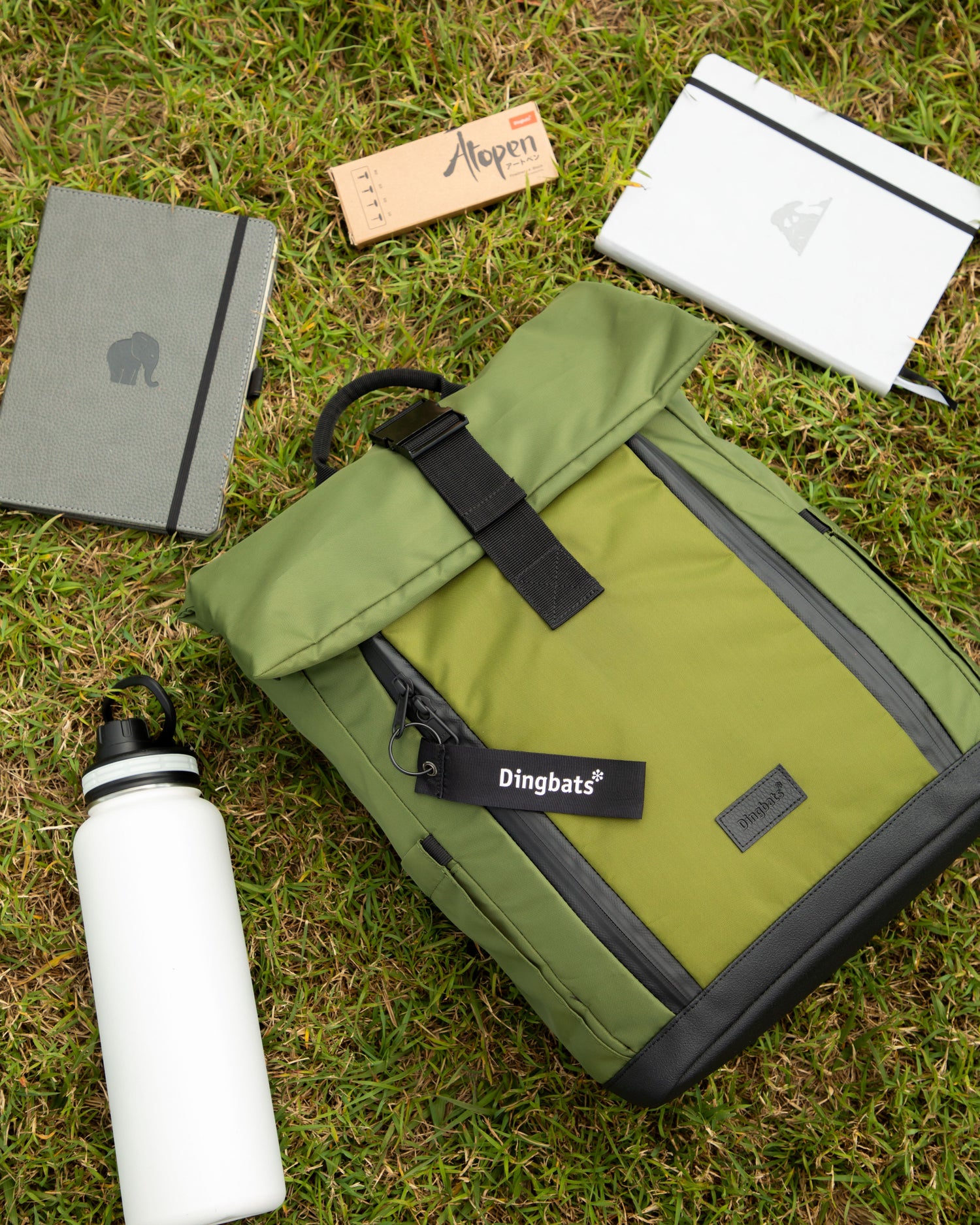
This practice is called Nature Journaling. By using a Dingbats* A5+ Wildlife notebook, you can transform your anxiety into observation, moving from a state of fear to a state of witness and wonder.
Why the Wildlife Collection is the Perfect Therapeutic Tool
When dealing with eco-anxiety, the tools you use should reflect the world you want to protect. The Wildlife Collection isn't just a notebook; it’s a tribute to biodiversity.
- The A5+ Portability: Nature journaling happens in the field, on hiking trails, in city parks, or in your own backyard. The A5+ size is large enough to capture detailed sketches of flora and fauna, yet light enough to fit into a backpack side pocket without weighing you down.
- 100gsm Cream Paper: The soft, off-white tone of our paper reduces glare when writing outdoors under direct sunlight. It provides a natural, organic feel that complements the sketches of leaves, insects, and landscapes you’ll be creating.
- The Ethical Connection: Knowing that your notebook is V-Label Vegan and supports WWF-UK provides an immediate sense of "Agency." You aren't just a bystander; you are actively supporting conservation while you write.

How to Start Nature Journaling: The "I Wonder" Method
The goal of nature journaling isn't to be a professional botanist or an artist. The goal is to be curious. Use these three prompts on every page to anchor your practice:
1. "I Notice..."
Start with the facts. Look at a tree or a bird and write down exactly what you see.
- Example: "I notice the bark of this oak tree is deep-grooved and has light green lichen growing on the north side."
- Pro Tip: Use the dotted grid in your A5+ to draw a small "zoom-in" circle, showing a close-up detail of the texture you noticed.
2. "I Wonder..."
This is where your imagination engages with the world.
- Example: "I wonder how old this tree is? I wonder if the lichen helps protect the bark or if it’s just a passenger?"
- By asking questions, you move your brain out of "anxiety mode" (which seeks certainty) and into "discovery mode" (which embraces mystery).

3. "It Reminds Me Of..."
This creates a personal connection.
- Example: "The shape of these leaves reminds me of the fans we used in the summer when I was a child."
- Making these connections helps ground your identity within the ecosystem, reducing the feeling of "isolation" that often accompanies eco-anxiety.
3 Spreads for Your Wildlife Journal
1. The "Phenology" Calendar
Phenology is the study of cyclic and seasonal natural phenomena. Use a double-page spread in your Dingbats* Notebook to track the "Firsts" of the season:
- The first day the cherry blossoms open.
- The first time you hear a specific bird song in the morning.
- The first frost on the grass.
- Tracking these cycles helps you see the resilience and rhythm of nature, providing a sense of stability.
2. The "Sound Map"
Sit in a natural spot for 10 minutes. Draw a small "X" in the center of a page on your notebook to represent yourself. Every time you hear a sound, mark where it came from on the page (e.g., "rustling leaves to the left," "distant bird call to the front-right"). This exercise in "Deep Listening" is a powerful form of mindfulness that lowers cortisol levels instantly.
3. The "Color Palette" Study
Nature’s colors are more complex than they appear. Pick a single leaf and try to find all the different shades within it, the yellows, the browns, the deep greens. Use colored pencils or watercolors (the 100gsm paper handles light washes beautifully) to create a "swatch" of the leaf's colors in your margins. If you'd like to use heavy Mixed Media materials, the 160gsm thick paper found in the Dingbats* Pro Collection is your best friend.

The Science of "Forest Bathing" on Paper
In 2026, the Japanese practice of Shinrin-yoku (Forest Bathing) is a recognized medical therapy. While nothing beats being among the trees, the act of journaling about nature has been shown to extend the psychological benefits of being outdoors.
By documenting your experiences in a Wildlife collection notebook, you are "storing" the calm of the forest. On days when you are stuck in a high-stress office or a crowded city, flipping through your previous entries acts as a "Visual Anchor," bringing your nervous system back to a state of peace.
Sustainability: A Reciprocal Relationship
Eco-anxiety often stems from a feeling of "taking" from the earth without giving back. Using a Dingbats* notebook turns your journaling into a reciprocal act.
- FSC-Certified Paper: You are using a product that respects the forest's lifecycle.
- WWF-UK Contribution: Your "venting" or "sketching" has a tangible, positive impact on the wildlife, the Serengeti, and the oceans.
When you write in a journal that protects the world, you feel more at home in it.
From Anxiety to Action
The world of 2026 needs people who are observant, connected, and resilient. Nature journaling is the bridge that takes us from the "fear of the future" to the "beauty of the present."
Your Dingbats* Wildlife notebook (available in various sizes) is more than a book of paper; it’s a tool for reconciliation. It’s a place to record the world as it is, to honor the species we share it with, and to find the mental clarity needed to help protect it.
The next time the weight of the world feels too heavy, put down your phone, pick up your Wildlife notebook, and head outside. The earth has a lot to tell you, if you’re willing to listen.
Reconnect with the Wild.


Leave a comment
This site is protected by hCaptcha and the hCaptcha Privacy Policy and Terms of Service apply.